
India’s construction sector is expanding rapidly, from large-scale infrastructure to
premium residential developments. While the industry is adopting advanced
technologies and AI-driven tools, a critical challenge remains: a shortage of
industry-ready civil engineers and architects.
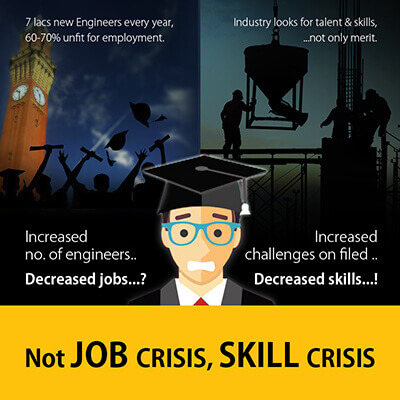
Despite thousands of graduates entering the workforce annually, there is a
widening gap between academic learning and practical industry requirements. This is
compounded by rising attrition among Gen Z professionals, whose expectations for
flexible environments and rapid growth often clash with the long hours and gradual
learning curves traditional to construction. Frequent turnover leads to repeated
hiring cycles, higher training costs, and a loss of institutional knowledge.
This disconnect directly impacts project performance. Inefficient planning,
inaccurate estimation, and poor stakeholder coordination—often caused by a lack of
practical skills and team instability—lead to material wastage, rework, and delays.
Industry observations suggest that deploying non-job-ready engineers can result in
hidden losses of up to 5% of total project costs.
To address this, the industry must prioritize practical project management
skills and meaningful exposure. Recognizing this need, Infini Institute, Pune, in
collaboration with SIILC, has introduced the “Train–Hire–Retain Model.” This program
prepares graduates in essential areas, including:
For construction companies, this model provides access to job-ready professionals who
can contribute immediately, significantly reducing the time and costs associated
with recruitment and attrition.
As India pursues its ambitious infrastructure goals, building a skilled and
committed workforce is a strategic necessity for the future of our industry.
I am a private construction industry which has potential to provide immense job opportunities and fulfil dreams of most of civil engineers in terms of financial and personal growth.


 7720075762